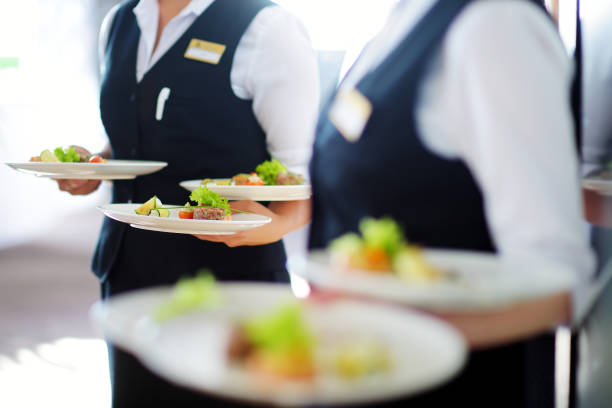
Waitress is carrying three plates Waitress carrying three plates with meat dish full service catering stock pictures, royalty-free photos & images

When planning an event, one of the most important decisions you’ll make is the catering style. The choice may significantly impact your guests’ experience, as well as the atmosphere and flow of your gathering. Plated service, buffet catering, and family-style catering are three popular options to consider. Each has unique features suited to different types of events. Here’s an in-depth guide to these catering styles.

Plated Service

  • Guests remain seated while servers bring pre-portioned meals directly to their tables.
  • Each guest typically selects their entrée ahead of time from a curated menu.
  • The meal is served in courses—appetizer, main course, dessert—offering a structured dining experience.

Advantages: – Efficient portion control ensures minimal food waste. – Provides a sophisticated and elegant dining atmosphere. – Guests receive personalized attention from the serving staff.

Considerations: Plated service tends to require more staff and preparation time compared to other catering styles. It also limits food variety since guests must pre-select their meals.

Buffet Catering

Buffet catering is ideal for casual or large-scale events such as birthdays or office parties. This style allows guests to serve themselves from a selection of dishes presented on long tables or stations.

Key Features: – Offers a wide variety of dishes that accommodate diverse palates and dietary preferences. – Guests control their portion sizes by choosing what they want and how much they want. – Encourages mingling, as attendees typically move around while serving themselves.

Pros Cons
Greater food variety Requires ample space for buffet setup
Interactive and informal dining style Potential for longer wait times
Budget-friendly for larger events Can lead to more food waste

Buffet catering works particularly well for events with mixed groups where flexibility is essential.

Enjoy Family Style Catering with Food Delivery Washington DC

Family-style catering provides a warm and communal dining experience. Large platters of food are placed on each table, allowing guests to serve themselves at their leisure while remaining seated.

Benefits: – Promotes interaction among guests as they pass dishes around the table. – Encourages sharing and creates a cozy atmosphere. – Eliminates long lines typical with buffets while still offering flexibility in portion sizes.

  • It requires sufficient table space for both large serving platters and individual place settings.
  • Careful coordination with caterers is needed to ensure timely replenishment of dishes during the meal.

Choosing the Right Catering Style

Selecting between plated service, buffet catering, or family-style depends on several factors:
1. Event Type: Formal occasions often lean toward plated service for its elegance; casual gatherings may benefit from buffet-style flexibility.
2. Budget: Buffets are typically more cost-effective than plated meals due to lower staffing needs.
3. Guest Experience: Consider whether your goal is efficiency (plated), variety (buffet), or interaction (family style).
4. Venue Space: Evaluate how much room you have available; some styles require more setup area than others.

Ultimately, understanding these distinctions can help you create an unforgettable dining experience tailored perfectly to your event’s vision and purpose.

When planning an event, one of the most critical decisions revolves around the catering style you choose. Plated service, buffet catering, and family-style catering each offer unique dining experiences tailored to meet different needs. Understanding these differences will help you make the right choice for your specific event.

Plated Service

Plated service is often regarded as the most formal option in catering. Guests remain seated while servers deliver pre-portioned meals directly to their tables. This style is ideal for events where elegance and structure are a priority.

Key Features:Personalized Service: Each guest receives an individually plated dish. – Controlled Portions: Helps manage food costs by serving predetermined quantities. – Sophistication: Adds a touch of luxury to weddings, galas, or corporate dinners.

Pros: – Enhanced guest experience due to attentive service. – Better portion control minimizes food waste. – Allows for creative plating and presentation by chefs.

Cons: – Higher cost due to staffing requirements. – Limited flexibility for guests with dietary restrictions unless planned in advance.

Buffet Catering

Buffet catering offers a more relaxed dining experience where guests serve themselves from an array of dishes displayed on a self-service station. It works well for events with diverse guest preferences or when flexibility is key.

Key Features:Variety of Options: Often includes multiple entrees, sides, salads, and desserts. – Guest Flexibility: Guests can customize their plates according to preference. – Interactive Dining Experience: Promotes movement and mingling among attendees.

Pros: – Cost-effective compared to plated service due to fewer staffing needs. – Accommodates large groups efficiently. – Offers a wide variety of food choices for guests with different tastes or dietary needs.

Cons: – Longer wait times if lines become congested. – Food presentation may not feel as elegant as plated service. – Requires sufficient space for buffet stations and flow management.

Aspect Plated Service Buffet Catering
Formality High Moderate
Portion Control Precise Variable
Guest Interaction Limited Encourages mingling
Staffing Needs High Moderate

Family Style Catering

Family-style catering provides a communal dining experience where large platters of food are placed on each table, allowing guests to serve themselves in shared portions. This setup fosters interaction and creates an intimate atmosphere.

Key Features:Shared Platters: Dishes are passed around each table like a family meal at home. – Casual Elegance: Balances formality and warmth effectively. – Inclusive Atmosphere: Encourages conversation among attendees seated together.

Pros: – Stimulates connection and engagement at tables. – Offers variety without requiring guests to leave their seats like in buffet setups. – Reduces potential food waste by limiting over-serving at buffets or miscalculations with plated meals.

Cons: – Requires larger tables to accommodate serving platters comfortably. – Can be more challenging for events with highly diverse dietary restrictions at individual tables.

Understanding these distinctions between plated service, buffet catering, and family-style dining allows you to align your choice with the type of event you’re hosting. Whether prioritizing formality or flexibility, knowing what each option entails makes it easier to craft an unforgettable dining experience tailored specifically for your guests’ enjoyment.

Benefits of Choosing Family Style Catering for Your Event

Family style catering has become an increasingly popular choice for a variety of events, from weddings and corporate gatherings to intimate celebrations. This approach blends the comfort of home-style dining with the convenience and professionalism of catered service. Below, we’ll explore why family style catering might be the perfect fit for your next event.

Why Choose Family Style Catering?

Family style catering offers a unique combination of benefits that sets it apart from plated or buffet options. Here’s why many hosts and event planners choose this service:
Interactive Dining Experience: Guests engage with each other as they share dishes passed around the table, creating opportunities for conversation and connection.
A Casual Yet Elegant Atmosphere: It strikes a balance between relaxed dining and formal presentation, making it suitable for a wide range of occasions.
Customizable Portions: Guests are free to serve themselves according to their appetite, reducing food waste while offering flexibility in portion size.
Time Efficiency: Unlike plated meals which require individual serving or buffets that often involve waiting in line, family style service ensures everyone is served efficiently at the same time.

Ideal Events for Family Style Catering

This dining format works well in scenarios where interaction and shared experiences are central to the event’s purpose. Consider family style catering for:
1. Weddings – Encourage guests who may not know each other well to mingle while enjoying communal dishes.
2. Corporate Retreats or Team Building Events – Foster collaboration and camaraderie among team members by sharing meals together.
3. Holiday Gatherings – Bring warmth and intimacy akin to traditional holiday meals with loved ones passed around the table.
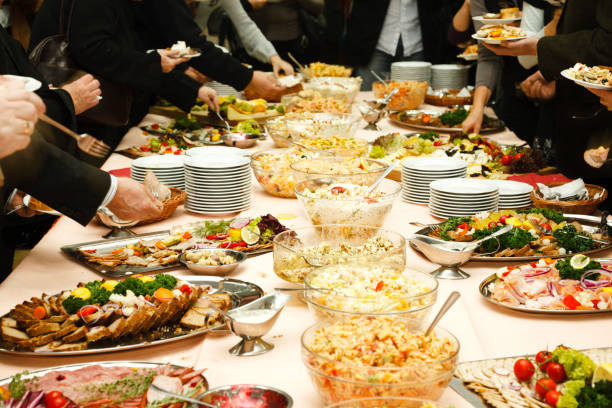
Catering table full of tasty food Catering table full of tasty food. Many hands of unrecognizable persons.  full service catering stock pictures, royalty-free photos & images

The Benefits of Plated Service Offered by Washington DC Caterers

Plated service is a sophisticated catering style where guests are served individually prepared dishes directly at their tables. This method is widely regarded as one of the most elegant and professional options for events, offering numerous benefits for hosts and attendees alike. Below, we dive into the key advantages of plated service and why it could be the best choice for your next event.

Enhanced Guest Experience

One of the standout features of plated service is the personalized dining experience it provides:
Individual Attention: Guests receive meticulous attention from servers, making them feel valued and catered to throughout the event.
Consistent Presentation: Each plate is thoughtfully arranged, ensuring an aesthetically pleasing presentation that enhances the overall dining experience.
Comfortable Atmosphere: Guests remain seated throughout the meal, allowing them to focus on networking, conversations, or enjoying entertainment without interruptions.

This style helps establish a polished tone for formal events such as weddings, galas, or corporate dinners.

Controlled Portion Sizes

Plated service ensures precise portioning for every guest. This offers several advantages:
Cost Efficiency: By controlling portions, catering companies can effectively manage food costs without over-preparing or wasting resources.
Dietary Accommodations: It’s easier to honor dietary restrictions or preferences when meals are prepared individually in advance. Guests with allergies or specific needs can be confidently served without cross-contamination concerns.

Seamless Event Flow

For events with carefully planned schedules, plated service contributes to smooth timing and coordination:
– Meals are served in a structured sequence (e.g., appetizers, main course, dessert), keeping the event on track with minimal disruptions.
– Speeches or presentations can seamlessly occur between courses without guests needing to leave their seats for food service lines.

This format fosters a sense of organization and professionalism that buffet-style catering may not always achieve.

Elevated Ambiance

Plated dinners exude elegance—a key reason they’re favored for upscale gatherings:
– Tablescapes are enhanced by uniform dishware placement and consistent plating aesthetics across all meals. – Servers moving gracefully between tables create an atmosphere of refinement that aligns perfectly with high-end venues or black-tie affairs.

Comparison Table: Plated Service vs Other Catering Styles

Feature Plated Service Buffet Catering Family Style Catering
Guest Convenience High – Guests remain seated Moderate – Requires self-service High – Shared dishes at table
Food Waste Control Excellent Moderate Good
Formality Very high Moderate Moderate
Customization High (pre-planned menus) Moderate (some variety offered) Limited
Cost Higher Lower Mid-range

Key Takeaways

Plated service is ideal when you want to create an intimate yet luxurious environment while maintaining precision and control over every aspect of the dining experience. If your event demands sophistication combined with flawless execution, this catering style serves as a standout choice for hosts looking to impress their guests effortlessly while maintaining structure throughout their occasion.

Exploring the Advantages of Plated Service in Professional Catering

Plated service is a highly regarded catering style that offers an elegant and personalized dining experience. Widely chosen for formal events such as weddings, corporate dinners, and upscale gatherings, it ensures precision in presentation and consistency in quality. Below, we provide a comprehensive overview of the advantages of plated service in professional catering and why it continues to be a preferred choice for many.

1. Enhanced Presentation Quality

One of the standout benefits of plated service is its ability to deliver visually appealing meals. With each plate individually prepared by professional chefs:
Artistic Plating: Chefs can focus on intricate details, turning meals into works of art.
Consistent Presentation: Every guest receives a dish that looks identical in quality and style.

This level of precision ensures your event maintains its sophistication while leaving a lasting impression on attendees.

2. Streamlined Service Flow

Plated service provides a more organized dining flow as guests are served directly at their tables by waitstaff. Key advantages include:
Reduced Guest Movement: Attendees remain seated, ensuring no long lines or crowding near food stations.
Efficient Meal Delivery: Waitstaff can serve all guests swiftly by working table by table, maintaining proper timing for meal courses.

For events requiring structure—such as business meetings or formal ceremonies—this method supports smooth transitions between activities.

3. Personalized Dining Experience

Plated service allows for greater customization based on guest needs and preferences:
Dietary Accommodations: Hosts can offer tailored options (e.g., vegetarian, vegan, or gluten-free dishes) to meet dietary restrictions without compromising overall menu quality.
Portion Control: Each guest receives consistent portion sizes, avoiding waste or overindulgence.

This personalized approach demonstrates thoughtfulness and professionalism, particularly when catering to diverse audiences.

4. Elevated Atmosphere for Formal Events

Plated service enhances the overall ambiance of an event by fostering an air of sophistication. Whether it’s an intimate wedding reception or a black-tie gala, this service style complements formal settings through factors such as:
– Crisp linens and polished table settings creating an upscale environment.
– Coordinated course delivery adding rhythm to the dining process without interruptions.

This refined atmosphere resonates well with guests seeking high-end experiences.

Comparison Table

Feature Plated Service Buffet Catering Family Style Catering
Presentation Highly detailed and artistic Self-served; less focus on detail Moderate presentation focus
Guest Movement Minimal High Moderate
Portion Control Exact portions Varies; depends on guest servings Shared portions per table
Atmosphere Formal and elegant Casual Relaxed yet communal

Ideal Events for Plated Service

Plated catering works best for occasions requiring elegance and precision. Common events include:
– Weddings with strict timelines. – Corporate galas where seamless transitions are crucial. – Fundraising dinners that aim to impress donors or sponsors.

By choosing plated service as your catering option, you elevate not only the dining experience but also the overall impact of your event’s design and execution.


Catering Buffet Catering Buffet. Horizontal Shot.http://i1100.photobucket.com/albums/g409/matthewennisphotography/FoodBanner123.jpg full service catering stock pictures, royalty-free photos & images

Assess Your Needs

  • What type of event are you hosting? (e.g., wedding, corporate luncheon, private dinner, etc.)
  • What style of catering fits your vision? (e.g., buffet, plated meals, family-style service)
  • Does your event require special dietary accommodations? (e.g., vegetarian, gluten-free options)

Clear answers to these questions will guide your search and help you select a caterer whose services align with your requirements.

Research Potential Caterers

  • Get referrals from trusted sources: Ask friends, family members, or colleagues who’ve recently hosted events if they have recommendations.
  • Read online reviews: Look up reviews on platforms like Yelp or Google to gauge customer satisfaction.
  • Visit their websites: Check menus, photos of past events, and testimonials.
  • Verify licensing and certifications: Ensure they meet health and safety standards.

A combination of personal referrals and thorough online research can help narrow down reliable options.

Schedule Tastings

  • Pay attention to both flavor and presentation.
  • Discuss menu customization options based on guest preferences or dietary restrictions.
  • Ask about seasonal ingredients or unique dishes that could make your event stand out.

Tastings not only showcase the quality of food but also give insight into how flexible a caterer might be in accommodating special requests.

Evaluate Professionalism & Communication Skills

Key Traits to Look For Why It Matters
Timely responses Indicates reliability
Clear communication Prevents miscommunication
Willingness to customize Shows commitment to meeting client needs
Transparent pricing estimates Builds trust around budget management

A professional team that values customer satisfaction will help reduce stress leading up to the event day.

Confirm Availability & Logistics

  1. Are they free on my selected date?
  2. Can they accommodate my guest count comfortably?
  3. Have they catered at venues like mine before? If not, are they familiar with site-specific requirements?
  4. Do they provide tableware rentals or linen options if needed?
  5. Will there be staff available for setup/cleanup?

Understanding these practicalities ensures you avoid last-minute surprises while streamlining coordination efforts between all vendors involved.

Take time during this process—it’s worth ensuring that every element aligns perfectly with both your vision and practical needs so that every bite serves as part of an unforgettable experience for attendees!

Discover Washington DC Catering with a Skilled and Experienced Team

Selecting the right caterer for your event is not just about the menu—it’s about choosing a team that can deliver exceptional service while managing all aspects of food preparation and presentation. A skilled and experienced catering team will ensure your guests have an unforgettable dining experience. Below, we explore key factors to consider when evaluating the expertise and professionalism of a caterer’s team.

Key Qualities of a Skilled Catering Company Washington DC Team

  • A skilled catering team should have chefs who are trained in creating diverse dishes that meet high standards of flavor and presentation.
  • Look for evidence such as culinary certifications, professional training, or participation in industry events and competitions.
  • Experience in handling events similar to yours (e.g., weddings, corporate meetings, or intimate gatherings) is vital.
  • An experienced team understands how to adapt to different venues, guest counts, and dietary needs without compromising on quality.
  • The staff should exemplify professionalism through punctuality, attire (such as uniforms), and respectful interactions with you and your guests.
  • A reliable catering team will also proactively communicate throughout the planning process to address any concerns or changes.

Important Questions to Ask About Wedding Catering Washington DC

  1. How many years of experience does the catering staff have?
  2. Have they worked on events similar in size or theme to yours?
  3. What is their approach to accommodating special dietary requests (e.g., vegetarian, vegan, gluten-free)?
  4. Can they provide references or testimonials from past clients?

Importance of Training & Certifications

The level of training among catering staff can be a strong indicator of quality service. Teams with certifications like ServSafe for food handling safety or specialized culinary qualifications demonstrate their commitment to excellence.

Certification Significance
ServSafe Food Handler Ensures adherence to food safety regulations
Culinary School Diplomas Reflects formal training in cooking techniques
Event Planning Training Shows expertise in managing logistics efficiently

Advantages of Using an Experienced Catering Team for Food Delivery Washington DC

  • Seamless Execution: An experienced staff knows how to troubleshoot unexpected situations during an event without causing disruption.
  • Efficient Timing: They understand the importance of serving meals promptly while maintaining quality.
  • Memorable Guest Impressions: Professionalism from chefs, servers, and coordinators leaves guests with positive memories long after your event concludes.

Red Flags to Avoid

  • Vague answers about past experiences
  • Reluctance to provide references
  • Inconsistent communication or unprofessional behavior
  • Lack of transparency regarding costs or services included

By thoroughly vetting potential caterers based on their team’s skills and experience, you’ll set the stage for a smooth event catered by professionals who take pride in what they do.

Ensuring Your Caterer Specializes in Your Event Type

Selecting the right caterer for your event involves more than just good food—it’s about ensuring the service aligns with the specific needs of your occasion. Caterers often specialize in different types of events, and finding one who has expertise in your event type can make a significant difference in execution, guest experience, and overall success.

Types of Events Caterers Often Specialize In

  • Weddings:
    Wedding catering often involves multi-course meals, intricate presentations, and customization to fit themes or cultures. Look for caterers with experience in managing large groups and handling detailed logistics like tastings, plated dinners, or buffet setups.
  • Corporate Events:
    A corporate event requires efficiency without compromising quality. Experienced corporate caterers often offer options like boxed lunches, cocktail hors d’oeuvres for networking sessions, or full-service plated dinners for formal gatherings.
  • Private Parties:
    From birthdays to anniversaries, private parties may require flexibility in menu design and a more casual setup. A caterer specializing in private events will be adept at handling intimate gatherings while ensuring food presentation remains exceptional.
  • Nonprofit or Fundraiser Events:
    For charity galas or fundraisers, professional catering teams that understand modest budgets but can still deliver elegant food presentations are key. They may offer customizable packages to suit your fundraising goals without sacrificing quality.

Why Specialization Matters

  1. Menu Customization: Specialists understand what foods work best for different occasions (e.g., finger foods for standing receptions or plated entrees for formal dinners).
  2. Service Style Expertise: They are familiar with providing appropriate service styles—whether it’s buffet lines at casual parties or white-glove service at black-tie affairs.
  3. Scalability: Specialized teams can handle the nuances of smaller private gatherings versus large-scale events seamlessly.
  4. Knowledge of Dietary Needs: Experienced caterers are prepared to accommodate common dietary restrictions like vegetarian options at weddings or allergen-free choices for corporate functions.

Questions to Ask Your Caterer About Event Expertise

Question Why It’s Important
Have you worked on similar events before? Confirms their experience with that event type
What is included in your packages? Identifies services beyond food (e.g., rentals)
How do you handle dietary restrictions? Ensures inclusivity for all attendees
Can you provide references from past clients? Offers insight into their reputation

Final Thoughts on Event-Specific Catering

By prioritizing specialization during the selection process, you’ll have greater confidence that your chosen catering team understands exactly what is required to create an unforgettable experience tailored specifically to your occasion’s needs. This focus ensures seamless operations while allowing you to enjoy your event stress-free knowing every detail has been handled professionally.

Eating breakfast Closeup on a young woman's hands as she is having breakfast full service catering stock pictures, royalty-free photos & images

Why Choosing a Restaurant-Based Catering Service Can Elevate Your Event

When planning any event, food is often the centerpiece that defines the guest experience. Opting for a restaurant-based catering service provides a unique edge over traditional catering companies, offering exceptional flavors, personalized service, and an elevated dining experience. Here’s why a restaurant-based caterer can take your event to the next level.

Superior Food Quality

Restaurant-based catering services bring proven culinary expertise to the table. Since their reputation depends on the quality of food served in their establishment, they are committed to high standards of taste and presentation. Some advantages include:
Freshness: Most restaurants use fresh, seasonal ingredients prepared daily.
Signature Dishes: You’ll have access to iconic dishes or specialties unique to that restaurant, providing your guests with an exclusive dining experience.
Consistent Flavor: Unlike some caterers who might subcontract cooking tasks, restaurant chefs often oversee every dish personally for consistency.

Tailored and Diverse Menus

Restaurants often offer greater flexibility in creating customized menus designed specifically for your event needs. This can be particularly advantageous if you’re hosting an audience with diverse tastes or dietary restrictions. Key benefits include:
– Options for vegan, gluten-free, kosher, or other dietary-specific menus.
– Ability to combine elements of different cuisines (fusion menus).
– A chance to recreate dishes guests may already love from their visits to that restaurant.

Professional Chefs and Staff Expertise

Unlike standalone catering companies that might hire temporary workers or part-time staff for events, restaurants typically have highly trained chefs and experienced servers dedicated to maintaining their brand standards. This ensures:
– Top-tier kitchen professionalism backed by long-term team dynamics.
– Seamless service execution during events due to familiarity with high-pressure environments.

Feature Restaurant-Based Caterers Traditional Caterers
Menu Creativity High (custom dishes available) Moderate
Ingredient Quality Fresh and seasonal Varies
Staff Expertise Experienced chefs & teams Often temporary hires
Signature Cuisine Availability Yes Rarely

Built-In Atmosphere Inspiration

Many people choose restaurant-based caterers because they want their event’s vibe and theme inspired by the eatery itself. For example: – If you’re hosting at an Italian villa-inspired venue, partnering with a fine-dining Italian restaurant adds authenticity. – If your venue offers modern aesthetics, pairing it with a contemporary bistro’s menu may enhance the overall ambiance.

Simplified Logistics

Restaurant catering services often already have robust systems in place for managing food preparation and transportation since many provide takeout or delivery options as part of their daily operations: 1. Streamlined Communication: You’re working directly with professionals who understand both food production processes and end-user satisfaction. 2. Pre-tested Recipes: Their offerings are likely tried-and-tested rather than experimental menus. 3. Time Efficiency: Because they’re used to fast-paced environments like dinner rush hours at their establishments—timeliness isn’t usually an issue.

Choosing a restaurant-based caterer enhances both culinary satisfaction and logistical ease while lending sophistication through signature recipes crafted by seasoned chefs familiar with perfection under pressure—making them an ideal choice when excellence counts most at your celebration or gathering.

Why Choosing a Restaurant-Based Catering Service Can Elevate Your Event

Selecting the right catering service can significantly impact the success of your event, and opting for a restaurant-based catering service offers unique advantages. These establishments bring a combination of culinary expertise, consistent food quality, and an established reputation. Here’s why working with a restaurant-based caterer can elevate your event to new heights.

High-Quality and Consistent Cuisine

Restaurant-based catering services often excel in delivering consistent food quality due to their proven menus and specialized chefs. Since these services operate in a commercial dining environment daily, they’ve perfected recipes and preparation techniques that translate seamlessly into catered events.

  • Reliable Flavors: Restaurants are experienced in maintaining flavor profiles that customers love. This ensures guests at your event enjoy exceptional dishes.
  • Menu Innovation: Many restaurants focus on seasonal ingredients and creative presentation, which can bring an elevated dining experience to your gathering.
  • Dietary Accommodations: With professional chefs on staff, restaurant caterers are well-equipped to create delicious options tailored for dietary restrictions like vegetarian, vegan, or gluten-free preferences.

Streamlined Operations with Experienced Staff

A restaurant’s team is accustomed to serving large groups while maintaining high standards in both preparation and presentation. This experience translates directly into smoother operations for your event’s catering needs.

Key benefits include:
1. Professionalism Under Pressure: Restaurant staff handle busy environments daily, ensuring they are prepared for the demands of your event.
2. Trained Servers: Many restaurant-based caterers provide skilled servers who are familiar with customer service dynamics—enhancing the overall guest experience at events like weddings or corporate functions. 3. Efficient Meal Execution: From food prep to cleanup, established systems within restaurants ensure that meals are delivered on time without compromising quality.

Customization Opportunities

Restaurants often provide opportunities for menu customization based on the theme or tone of your event. Whether you’re hosting a casual outdoor gathering or an upscale gala dinner, their flexibility ensures seamless alignment with your vision.

Event Type Ideal Cuisine Examples Customization Options
Corporate Lunch Sandwich platters & fresh salads Branding through logo-themed desserts
Wedding Reception Sophisticated plated entrees Personalized signature cocktails
Holiday Party Seasonal comfort foods & themed treats Themed menu items (e.g., pumpkin-flavored delights)

Cost Effectiveness Through Established Infrastructure

Unlike independent caterers who may need to rent kitchens or source equipment last minute, restaurant-based catering services already have access to their own infrastructure—resulting in potential cost savings passed down to you as a client.

Advantages include:
– Full-use commercial kitchens equipped with professional-grade appliances. – Economies of scale when sourcing ingredients directly from trusted suppliers. – Reduced logistical risks due to familiarity with their existing kitchen space and tools.

Choosing a restaurant-based catering service can simplify planning while elevating the quality of food served at your event. Their ability to combine culinary creativity with operational expertise makes them an excellent option for crafting memorable dining experiences that leave guests impressed long after the last plate is cleared away.


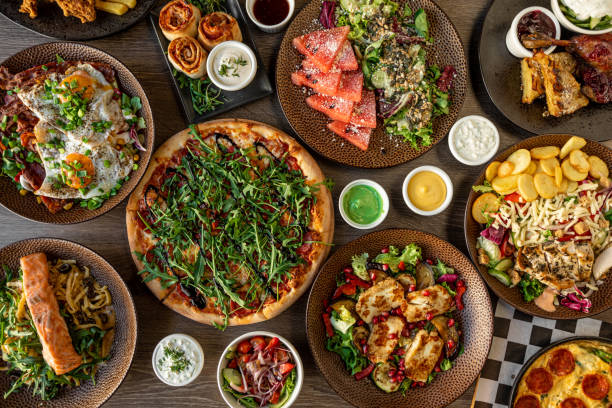
Business lunch in cafe. Tasty food on table. Pizza with greenery, mozzarella cheese, bacon. Fried potato, sauce, grill Business lunch in cafe. Tasty food on table. Pizza with greenery, mozzarella cheese, bacon. Cinnamon rolls as dessert. Fried potato with sauce, grill salad, eggs, carnitas chicken. Flat lay, top view full service catering stock pictures, royalty-free photos & images

Choosing the right caterer is a crucial step in planning any event, whether it’s a wedding, corporate gathering, birthday party, or charity event. A professional and reliable catering service can elevate your event experience by ensuring your guests enjoy great food and seamless service. Here are some essential steps and tips to help guide your decision.

Understand Your Event Needs

Before you start reaching out to caterers, take some time to assess the specific needs of your event. Consider the following:
Type of Event: Is it formal, casual, or semi-formal? The nature of the event will influence menu choices and presentation style.
Guest Count: Have an estimate of how many people will attend. Caterers need this information to create accurate proposals and ensure sufficient food preparation.
Budget: Be clear about what you can afford so you can focus on options that fit within your financial plan.

Research Potential Caterers

Once you know what you’re looking for, begin researching caterers in your area. Here’s what to look for:
Experience: Choose a caterer who has experience with similar events. For instance, wedding catering often requires a different approach than corporate catering.
Reputation: Read online reviews, ask for recommendations from friends or family, and check references provided by the caterer. A solid reputation is often a good indicator of reliability and quality.

Menu Options and Flexibility

A great caterer should offer diverse menu options that align with your vision and accommodate dietary restrictions or preferences. Ask yourself:
– Does the menu include vegetarian, vegan, gluten-free, or allergy-friendly options?
– Are they willing to customize dishes based on cultural cuisines or event themes?

Some caterers may even offer tastings before finalizing the menu—an excellent way to assess their culinary skills.

Essential Questions to Ask Caterers

Question Why It Matters
Do you provide full-service catering (setup, serving staff, cleanup)? To determine if they’ll handle all aspects of food service at your event.
What is included in your pricing? To avoid hidden costs later (e.g., rentals like linens or dinnerware).
How do you handle last-minute changes? Ensures flexibility in case guest counts change or other adjustments are needed.
Do you have a liquor license (if offering bar services)? Essential if alcohol will be served at your event.

Assess Their Professionalism

A professional caterer demonstrates clear communication from the start by promptly responding to inquiries and providing detailed proposals. They should also have necessary certifications like food safety permits or insurance coverage.

Schedule Tastings if Possible

Sampling their offerings is one of the best ways to ensure you’ll be satisfied with their work on the big day. Pay attention not just to flavors but also presentation—it should align with your event’s style.

Key Takeaways When Selecting a Caterer

  • Begin planning early; reputable caterers often book up months in advance.
  • Always sign a detailed contract outlining services provided.
  • Prioritize open communication and flexibility throughout the process.

Key Questions to Ask When Choosing Washington DC Catering for Your Wedding

Selecting the right caterer for your wedding can significantly impact the overall success of your event. To ensure you make the best decision, it’s essential to ask potential caterers the right questions. Below are key areas to focus on when evaluating wedding caterers, along with helpful tips to guide your conversation.

Experience and Expertise in Wedding Catering Washington DC

  • How long have you been in business?
    Understanding their experience in wedding catering helps assess reliability and professionalism.
  • Have you catered weddings of similar size before?
    A caterer familiar with events of comparable scale is more likely to handle logistics efficiently.
  • Do you specialize in any particular cuisine or style?
    This question can help determine if their services align with your vision for the wedding.

Menu Options and Customization for Corporate Catering Washington DC

  • Do you offer customizable menu options?
    Many couples prefer menus tailored to dietary preferences or cultural traditions. Ensure your caterer is flexible in meeting these needs.
  • Can you accommodate dietary restrictions such as gluten-free, vegan, or nut-free options?
    Confirm they can provide alternatives for guests with specific requirements.
Dietary Requirement Accommodation Offered Notes
Gluten-Free Yes Entire meal or specific dishes available
Vegan Yes Includes appetizers, mains, and desserts
Nut-Free Case-by-case basis Kitchen processes need clarification

Service Details for Food Delivery Washington DC

  • What does your service include?
    Some caterers provide full-service packages (including staff, rentals, and setup), while others may only focus on food delivery. Clarify what’s included upfront.
  • What is the staff-to-guest ratio during service?
    This determines how attentive staff will be to guest needs during the event. A common ratio is one server per 10–15 guests for plated meals or one server per buffet station.

Budget and Pricing Transparency

  • What is included in your pricing structure? Are there hidden fees?
    Ensure transparency regarding added costs like gratuity, delivery fees, or extra-service charges.
  • Do you offer package deals or discounts for large events?
    Some vendors provide cost-effective options for bigger weddings; inquire about all available packages.

Tastings and References

  • Can we schedule a tasting before committing?
    Tasting sessions allow you to assess food quality firsthand while discussing presentation styles.
  • Do you have references from past clients we can contact?
    Speaking with previous customers provides valuable insights into reliability and performance.

General Tips for Selecting Your Wedding Caterer

  1. Start scouting early—most reputable vendors book up months or even a year in advance.
  2. Clearly communicate your budget limits upfront.
  3. Keep guest demographics in mind—young children or elderly guests may require specific meal considerations.
  4. Review contracts thoroughly before signing; ensure policies around cancellations or rescheduling are clear.

By asking these essential questions and considering all aspects of catering services, you’ll be better equipped to make an informed decision that enhances your special day seamlessly.

Catering buffet with meat and potato gratin Catering buffet with meat full service catering stock pictures, royalty-free photos & images

Exploring Washington DC Caterers: Drop-Off, Corporate, and Full-Service Options

When planning an event, one of the most critical decisions you’ll make is selecting the right type of catering service. With multiple options available, understanding the differences between drop-off catering, corporate catering, and full-service catering is essential. Each type caters to distinct needs and occasions. Here’s a breakdown of these services to help you determine which is best for your event.

Drop-Off Catering

Drop-off catering is a practical and convenient option for those seeking great food without additional service needs. This type of catering involves food being prepared off-site and delivered to your event location in ready-to-serve containers.

Key Features: – Delivered meals typically include disposable trays, utensils, and plates. – Limited setup required; guests can serve themselves buffet-style. – Ideal for casual gatherings or small events like birthday parties or family reunions.

Best For: – Events on a tight budget. – Situations where minimal interaction with staff is required.

Pros Cons
Cost-effective No on-site staff assistance
Flexibility in menu Requires hosts to manage cleanup
Minimal logistical needs Food quality can decline if not kept warm

Corporate Catering

Corporate catering focuses explicitly on professional events like business meetings, conferences, seminars, or office celebrations. This type of service ensures seamless food arrangements so teams can focus on work instead of logistics.

Key Features: – Menus often include boxed lunches, sandwich platters, buffets, or formal meals for networking events. – Accommodates dietary restrictions (e.g., vegetarian/vegan options). – Services range from simple drop-off to limited waitstaff assistance for setup.

Best For: – Business breakfasts or lunch meetings. – Product launches or team-building events.

Popular Menu Options: 1. Individually packed salads or sandwiches for ease. 2. Coffee stations with pastries or snacks during morning sessions. 3. Formal plated meals for evening receptions.

Full-Service Catering

Full-service catering offers a comprehensive solution that goes beyond just providing food—it includes staffing (chefs, servers), equipment rentals (tables/chairs), and décor coordination when needed. This premium option ensures every detail is handled professionally.

Key Features: – On-site cooking and serving by trained staff. – Includes setup, serving guests directly (plated meals), managing beverage stations/bars, and cleanup after the event. – Often paired with high-end presentation styles like carving stations or live cooking counters.

Best For: – Weddings – Formal banquets – Large-scale celebrations

Advantages Challenges
Stress-free experience Higher cost compared to other options
Attentive service Requires significant planning time
Customizable menus Coordination with multiple vendors

Choosing the Right Service

When deciding which catering style suits your needs best: 1. Evaluate your budget, as costs vary significantly across these services. 2. Consider the event size, as smaller gatherings might only need drop-off care while larger ones demand full-service expertise. 3. Reflect on your desired level of involvement—are you willing to handle setup/cleanup yourself?

By matching your specific requirements with these distinct types of services, you’ll ensure a smooth dining experience tailored precisely for your event.

Understanding the Different Types of Catering Services: Drop-Off, Corporate, and Full-Service

When planning an event, selecting the right type of catering service is a crucial decision. The type of catering you choose will depend on factors such as your event’s size, purpose, and budget. Below is a breakdown of the three main types of catering services — drop-off, corporate, and full-service — to help you determine which one best suits your needs.

Drop-Off Catering

Drop-off catering is one of the simplest and most cost-effective options available. It involves food being prepared off-site by the caterer and delivered to your location without additional services like setup or serving staff.

Key Features:

  • Cost-effective: Ideal for smaller budgets as it eliminates staffing costs.
  • Convenience: Food arrives ready-to-eat in disposable containers or platters.
  • Self-service: Guests serve themselves from the provided dishes.

Suitable For:

  • Casual gatherings such as birthday parties or family get-togethers.
  • Office lunches or small-scale meetings where minimal setup is required.
Pros Cons
Budget-friendly No staff assistance
Easy delivery process Limited customization

Corporate Catering

Corporate catering is tailored specifically for business events such as conferences, seminars, or client meetings. This service often includes a broader range of menu options and professional presentation to align with formal business settings.

Key Features:

  • Professional setup: Includes buffet tables, tableware, and sometimes décor.
  • Flexible menus: Can accommodate dietary restrictions like vegetarian or gluten-free meals.
  • Timeliness: Efficient delivery to fit tight schedules during meetings or conferences.

Suitable For:

  • Corporate events like product launches or team-building activities.
  • Employee appreciation lunches or networking events.
Event Type Menu Example
Morning meetings Pastries, coffee stations, and fruit platters
Lunch presentations Sandwiches, salads, and boxed meals
All-day conferences Breakfast spreads with snacks for breaks

Full-Service Catering

For events requiring a comprehensive dining experience with minimal effort on your part, full-service catering offers everything from food preparation to cleanup. This type of service often includes waitstaff and bartenders for seamless execution.

Key Features:

  • Event customization: Menus are tailored specifically to suit themes or guest preferences.
  • On-site staff: Waiters handle plating and serving food directly to guests.
  • Added décor options: Caterers may provide table settings and floral arrangements that complement your event’s aesthetic.

Suitable For:

  • Formal occasions such as weddings or gala dinners.
  • Large-scale celebrations like milestone anniversaries.
Benefits Challenges
Complete event support Higher cost
Personalized experience Planning time required

Understanding these three types of catering services can simplify your decision-making process while ensuring your event needs are met effectively. By assessing factors like budget constraints, guest count, and formality level of the occasion, you can confidently select the right option that aligns with your vision for a successful event.

Waiter carrying plates with meat dish on some festive event Waiter carrying plates with meat dish on some festive event, party or wedding reception full service catering stock pictures, royalty-free photos & images

How to Plan the Perfect Catering Menu for Any Occasion

Planning the perfect catering menu is a critical component of any event, whether it’s a wedding, corporate gathering, birthday celebration, or casual get-together. The right menu not only complements the theme and style of your event but also ensures that your guests are satisfied and leave with a memorable experience. Here’s how you can create a catering menu that aligns with your event’s goals and delights everyone in attendance.

Understand Your Guests’ Preferences

  • Dietary Restrictions: Identify common dietary restrictions such as vegetarian, vegan, gluten-free, lactose-free, or nut allergies.
  • Cultural Influences: If your guest list includes individuals from diverse cultural backgrounds, aim to incorporate dishes that cater to different tastes.
  • Guest Demographics: Consider the age group and preferences of attendees. For instance:
  • Children may require simpler options like sliders or mac-and-cheese.
  • Adults may prefer more sophisticated dishes such as gourmet appetizers or artisanal desserts.

Match the Menu to the Event Type

Event Type Catering Style Suggested Dishes
Weddings Full-service with plated meals Seasonal salads, filet mignon, fish entrees
Corporate Events Buffet or boxed meals Sandwich platters, wraps, fruit cups
Casual Parties Food stations or family-style dining Tacos bars, BBQ ribs, pasta bowls
Cocktail Parties Passed hors d’oeuvres Mini bruschetta bites, shrimp skewers

Tailor each item for ease of service while maintaining quality presentation.

Balance Flavors and Ingredients

A thoughtfully planned menu balances flavors (sweet vs savory), textures (crispy vs creamy), and colors (vibrant vs subtle). Aim for an assortment of dishes that appeal visually while offering variety in taste profiles.

  • Include appetizers such as bite-sized tarts or skewers.
  • Offer options such as grilled meats alongside vegetarian alternatives like stuffed peppers.
  • Incorporate fresh seasonal fruits and vegetables into salads or sides.
  • End with desserts ranging from indulgent chocolate cakes to light fruit sorbets.

Optimize Portion Sizes

  1. Appetizers: Plan for 3–5 pieces per person when served before a meal.
  2. Main Course: One protein option plus side accompaniments per guest is standard.
  3. Desserts: Offer at least two smaller dessert items per guest for variety.

Choose Presentation Styles That Enhance The Experience

Food presentation can elevate an ordinary dish into an extraordinary experience. Discuss with your caterer how dishes will be displayed—buffet tables should look organized yet inviting; plated meals should be styled elegantly while reflecting portion control.

Some ideas include: – Wooden boards for rustic-themed events – Tiered platters for bite-sized treats – Clear acrylic displays to showcase colorful desserts

Collaborate With Your Caterer

Lastly—and perhaps most importantly—work closely with a professional caterer who understands your vision. Share details about the venue layout (e.g., buffet space), time constraints (e.g., plated service duration), and overall theme so they can assist you in aligning every dish seamlessly with the occasion.

By taking these factors into account during planning stages — from understanding guest needs to collaborating effectively — you’ll ensure success delivering not just food but an unforgettable dining experience too!

Why Food Truck Catering is a Popular Choice for Events Today

Food truck catering has gained significant popularity in recent years, becoming a go-to option for events of all sizes. Whether it’s a wedding, corporate gathering, or community festival, food trucks offer a fresh and unique alternative to traditional catering services. Below are some of the key reasons why food truck catering has become so widely embraced.

1. Variety and Customization

  • Global Flavors: Tacos, sushi, Mediterranean dishes, or Indian street food.
  • Comfort Foods: Burgers, grilled cheese sandwiches, and gourmet hot dogs.
  • Health-Focused Menus: Vegan options, organic bowls, and gluten-free treats.
  • Desserts and Beverages: Ice cream trucks, coffee bars, or bubble tea stands.

This variety gives guests the freedom to choose from multiple offerings while ensuring dietary needs are met.

2. Cost-Efficiency

Expense Category Traditional Catering Food Truck Catering
Staffing High Minimal
Equipment Rental May be Required Typically Not Needed
Menu Complexity Extensive Choices Streamlined Options

For budget-conscious hosts who still want great food for their guests, food trucks provide a perfect middle ground.

3. Interactive Dining Experience

Unlike plated meals or buffets that follow predictable formats, food trucks inject energy into events by offering a dynamic experience. Guests enjoy walking up to the truck to place their orders while chatting with chefs about menu items. This setup fosters interaction between guests and vendors while creating an engaging atmosphere.

4. Mobility and Flexibility

  • Food trucks require minimal setup time.
  • They operate in locations without full kitchen facilities.
  • Trucks can adapt to serve events of varying sizes.

This flexibility allows organizers to focus on other aspects of the event without worrying about complex culinary logistics.

5. Trendy Appeal

The rise of social media has amplified the appeal of food truck dining due to its aesthetic presentation and Instagram-worthy appeal. Fun branding on the side of the truck combined with visually appealing dishes makes it easy for attendees to share their experiences online—a bonus for event marketing efforts.

Tips for Choosing a Food Truck Caterer

  1. Availability: Book early to secure your preferred vendor as top-tier trucks often fill up quickly during peak seasons.
  2. Menu Customization: Confirm whether they can accommodate dietary restrictions or create custom menus based on your theme.
  3. Licensing Compliance: Ensure the vendor meets all local health department regulations regarding permits and safety standards.
  4. Guest Count: Verify they have adequate capacity to handle your expected number of attendees efficiently.
  5. Logistics Planning: Discuss parking space requirements and power access well ahead of time.

Food truck catering blends convenience with creativity while providing high-quality meals that leave lasting impressions on guests—making it one of today’s most sought-after services for memorable events.


Waitress holding a dish of champagne and wine glasses at festive event Waitress holding a dish of champagne and wine glasses at festive event, party or wedding reception full service catering stock pictures, royalty-free photos & images

When planning a wedding or special event, catering is one of the most critical aspects to get right. A well-catered event leaves a lasting impression on your guests and enhances the overall experience. However, there are common catering mistakes that can derail even the best-laid plans. By identifying and avoiding these pitfalls, you can ensure a seamless dining experience for your special day.

Avoid Underestimating Guest Numbers for Wedding Catering Washington DC

One of the most frequent errors hosts make is underestimating the number of guests attending. This can lead to food shortages, leaving some guests without a meal. To avoid this:
– Always confirm RSVPs in advance and plan for at least 5-10% over your estimate.
– Account for last-minute attendees or unexpected plus-ones.

Avoiding Menu Mistakes in Corporate Catering Washington DC

Your menu can make or break your event, especially if it doesn’t align with your guests’ dietary preferences or cultural expectations:
– Offer options for dietary restrictions (e.g., vegetarian, vegan, gluten-free).
– Consult with your caterer to create a balanced menu that includes popular crowd favorites alongside unique choices.

Mistakes to Avoid in Food Delivery Washington DC

Using out-of-season ingredients can not only inflate costs but also compromise flavor quality:
| Season | Best Ingredients |
|——————-|————————|
| Spring | Asparagus, strawberries |
| Summer | Tomatoes, sweet corn |
| Fall | Pumpkins, squash |
| Winter | Root vegetables |

Partner with a caterer who prioritizes fresh, seasonal ingredients for optimal taste and presentation.

Poorly Timed Food Service

Timing is crucial when it comes to food service at events:
– Ensure hors d’oeuvres are served promptly during cocktail hour to bridge waiting periods between activities.
– Work closely with your planner and caterer to coordinate meal service with speeches or other scheduled elements of the event.

Lack of Menu Tastings Beforehand

Failing to conduct a tasting with your chosen caterer leaves too much room for surprise on the big day:
– Schedule tastings several months in advance to finalize selections.
– Use this opportunity to address portion sizes and presentation preferences.

Overcomplicating the Menu

While variety is important, overly complex menus can confuse guests and slow down service:
Do: Opt for two entrée options paired with versatile sides that appeal broadly.
Don’t: Overwhelm diners with more than three choices per course unless necessary.

Choosing Style Over Substance in Presentation

Beautiful food presentation matters but shouldn’t come at the expense of practicality or taste:
Ensure all dishes are both visually appealing and satisfying so guests leave fully content rather than simply impressed by aesthetics alone.

Hiring an Inexperienced Caterer

An inexperienced caterer may struggle under pressure during large-scale events like weddings: Red Flags To Watch For:
1) Lack of references/reviews. 2) Resistance toward customization requests. 3) Limited staffing capabilities when discussing guest size w/ logistics prep clarity etc

How to Avoid the Most Common Washington DC Catering Mistakes for a Successful Event

Planning an event, whether it’s a wedding, corporate gathering, or milestone celebration, comes with its challenges. Catering plays a critical role in your event’s success, but even small oversights can lead to major setbacks. Here are practical strategies to help you avoid common catering mistakes and ensure your special day runs smoothly.

1. Underestimating Guest Numbers

One of the most frequent mistakes is not having an accurate guest count. This can leave guests hungry or result in unnecessary food waste.

  • Solution: Always confirm RSVPs well in advance and provide your caterer with a realistic headcount. Add a buffer of 5-10% for unexpected attendees.
  • Tip: Choose catering options that are flexible and scalable to accommodate last-minute changes.

2. Failing to Consider Dietary Restrictions

Neglecting dietary requirements can alienate guests and limit their ability to enjoy the meal.

  • Solution: Ask your guests about allergies, preferences (e.g., vegan, gluten-free), or cultural restrictions during the RSVP process.
  • Tip: Opt for a menu with diverse food offerings so everyone feels included.
Dietary Restriction Example Dishes
Vegetarian Grilled vegetable platter, pasta primavera
Vegan Quinoa-stuffed peppers, lentil stew
Gluten-Free Herb-crusted salmon, roasted sweet potatoes
Nut-Free Caprese salad, chicken kebabs

3. Choosing Quantity Over Quality

It’s tempting to prioritize large portions at low costs, but sacrificing quality can leave guests unimpressed.

  • Solution: Work with caterers who use fresh ingredients and innovative techniques. Focus on creating memorable meals rather than just filling plates.
  • Tip: Sample dishes during tastings to ensure quality before finalizing your menu.

4. Poor Timing Coordination

Late service or prolonged delays between courses can disrupt the flow of your event.

  • Solution: Develop a detailed timeline with your caterer and event planner beforehand.
  • Tip: Allow extra time for unforeseen circumstances like traffic delays or slow prep times.

5. Neglecting Staff Needs

An understaffed event may lead to long wait times or poor service quality.

  • Solution: Confirm that your caterer provides adequate staff-to-guest ratios:
    • One server per 10–12 seated guests
    • One bartender per 50–75 guests
    • Extra staff for setup/cleanup if needed

6. Overlooking Venue Restrictions

Certain venues have policies regarding cooking methods, alcohol service, or noise levels that could affect catering plans.

  • Solution: Communicate venue rules to your caterer early in the planning process.
  • Tip: If cooking on-site isn’t allowed, ask about pre-prepared menu options or off-site kitchens nearby.

7. Forgetting About Presentation

Even delicious food might fall flat without appealing presentation styles that match the tone of your event.

  • Solution: Discuss table settings and plating options with your caterer:
    • Family-style platters for casual gatherings
    • Individually plated meals for formal events
    • Interactive stations like carving tables for added engagement

Summary Checklist: Avoiding Catering Pitfalls

  1. Confirm accurate guest numbers early on.
  2. Include varied options for dietary restrictions.
  3. Prioritize high-quality ingredients over quantity alone.
  4. Create a thorough timing plan.
  5. Ensure sufficient staffing based on guest count.
  6. Verify venue policies affecting catering logistics.
  7. Collaborate on presentation details aligned with event themes.

By addressing these key areas thoughtfully, you’ll set yourself up for an unforgettable event where great food and seamless service take center stage.

buffet tilt view - Meat and fixings Geschnetzeltes catering buffet on table full service catering stock pictures, royalty-free photos & images

Expert Tips for Choosing the Perfect Caterer for Your Next Event

Selecting the right caterer is a vital step in planning any event, whether it’s a wedding, corporate gathering, or private celebration. The food and service can significantly impact your guests’ experience, so making an informed decision is essential. Below are expert tips to help you choose the perfect caterer for your occasion.

Define Your Requirements and Budget

  • Event Type: Is it formal, casual, or themed?
  • Guest Count: Determine how many attendees you expect.
  • Venue Restrictions: Confirm if the venue has catering restrictions or preferred vendors.
  • Menu Preferences: Consider dietary requirements (vegan, gluten-free, kosher, etc.).
  • Budget: Establish how much you’re willing to spend on food and service.

Research and Gather Recommendations

  • Look for consistent positive feedback about their food quality and customer service.
  • Check if they specialize in your type of event (e.g., weddings vs corporate functions).
  • Review their portfolio for samples of past events they’ve catered.

Schedule Tastings Before Booking

  1. Ask questions about ingredient sourcing—do they use fresh, seasonal ingredients?
  2. Take note of portion sizes to ensure they’re appropriate for your guest count.
  3. Request menu customizations if necessary (e.g., adding cultural dishes or accommodating allergies).

Evaluate Service Style Options

Service Style Description
Buffet Guests serve themselves; ideal for casual settings or large gatherings
Plated Meals Individual plates served by staff; suitable for formal occasions
Family-Style Dining Dishes are passed around at each table; fosters interaction among guests
Food Stations Multiple themed stations serving diverse cuisines; adds variety and engagement

Discuss with your caterer which option best fits your event layout and guest preferences.

Review Contracts Carefully

  • Finalized menu selections with itemized pricing.
  • Service timeline (including setup and cleanup hours).
  • Additional fees—travel costs, gratuities for staff, etc.
  • Cancellation policies in case unforeseen circumstances arise.

Communication Is Key

Once you’ve selected a caterer, maintain open communication throughout the planning process. Share updates about guest count changes or any last-minute adjustments promptly to avoid miscommunication on the day of the event.

By following these steps carefully when choosing a caterer, you’ll create an exceptional dining experience that perfectly complements your special occasion—ensuring happy guests who leave with fond memories of both food and festivities.

Expert Tips for Choosing the Perfect Caterer for Your Next Event

Finding the right caterer for your event can make all the difference in creating a memorable and seamless experience. Whether you are planning a wedding, corporate gathering, or birthday celebration, hiring a professional caterer requires careful thought and consideration. Here are expert tips to guide you through the process of choosing the perfect caterer for your next event.

Research and Compare Caterers

Start by researching catering companies in your area. Look for businesses that specialize in events similar to yours. A good starting point is: – Online reviews: Check Google, Yelp, or other trusted review platforms. – Recommendations: Ask friends, family, or colleagues for referrals. – Social media presence: Review photos and posts to get an idea of their work.

Once you have identified a few options, compare their services, specialties, and pricing structures to narrow down your choices.

Request Tastings

A tasting is a valuable opportunity to sample the caterer’s offerings before making any commitments. During this process: – Evaluate presentation quality. – Assess taste and freshness. – Discuss customization options.

Always ask if there’s an additional cost associated with tastings beforehand.

Understand Their Expertise

Different events require different catering styles. Ensure that the caterer has previous experience working on events like yours: – Weddings: Handling large guest lists with varied dietary needs. – Corporate events: Professional service with time-sensitive schedules. – Intimate gatherings: Attention to detail and personalized menus.

Ask Detailed Questions

Before signing a contract, clarify key points with your prospective caterer. These questions can help: 1. What is included in your package? – Does it cover linens, tableware, and staff? 2. Do you accommodate dietary restrictions? – Can they prepare vegan/vegetarian or gluten-free options? 3. What happens in case of last-minute changes? – Are they flexible with guest count adjustments?

Evaluate Their Team’s Professionalism

The catering team’s professionalism can greatly affect your event’s success. Look out for: – Punctuality during meetings or tastings. – Knowledge of food safety and health regulations. – Clear communication about expectations.

Review Contracts Thoroughly

Always review any agreement carefully before signing it. Pay attention to: | Clause | What to Check | |—————————-|——————————————————————————| | Pricing Details | Are costs broken down clearly (e.g., per plate)? | | Payment Schedule | Is there transparency about deposits and final payments? | | Cancellation Policy | What are their terms if plans change unexpectedly? | | Overtime Charges | Are additional charges stated if service runs longer than expected? |

Consider Their Creativity

An exceptional caterer will work with you to design a menu that aligns perfectly with your vision. Discuss ideas such as: – Unique dishes that reflect cultural traditions. – Interactive food stations or themed menus.

Their ability to innovate while accommodating preferences will set them apart from standard catering services.

By following these expert tips and taking time to research thoroughly, you can confidently select a caterer who will elevate your next event into an unforgettable experience.

Key Questions to Ask Your Caterer Before Booking for Any Occasion

Selecting the right caterer is a crucial step in planning any event, whether it’s a wedding, corporate gathering, or private party. To ensure everything goes smoothly and meets your expectations, asking the right questions before signing a contract is essential. Here are key areas of inquiry to guide you through the process.

Experience and Specialization

  • How long have you been in the catering business?
  • Do you specialize in specific types of cuisine or events (e.g., weddings, corporate functions)?
  • Can you provide references or examples of past events you’ve catered?

Experienced caterers often have a portfolio of successful events that can help illustrate their capability and style.

Menu Flexibility

  • Do you offer customizable menus?
  • Can you accommodate dietary restrictions such as vegan, gluten-free, or allergies?
  • Are there seasonal ingredients or dishes available for my event date?

This ensures that your menu aligns with the needs and tastes of your guests while reflecting the theme of your occasion.

Services Offered Beyond Food Preparation

  • Do you provide tableware, linens, or decor as part of your service?
  • Are waitstaff included in the package? If so, what is the staff-to-guest ratio?
  • Will you handle setup and cleanup on the day of the event?

Having clarity on these services can prevent unexpected costs later on and ensure hassle-free logistics during the event.

Service Provided Included in Standard Package Additional Cost Notes
Tableware (plates/cutlery) Yes / No Yes / No
Linens & Decor Yes / No Yes / No Customizable Design
Waitstaff Yes / No Yes / No Staff-to-guest ratio: ___

Pricing and Payment Policies

  • What is included in your pricing structure (e.g., food only vs. full-service catering)?
  • Do you offer package deals or per-person pricing?
  • What is your policy for deposits, refunds, or cancellations in case plans change?

Requesting an itemized quote ensures transparency and helps identify any hidden fees before committing financially.

Event Logistics and Planning Support

  • Have you catered at this venue before? If not, are you familiar with its layout/requirements?
  • How do you handle last-minute changes to guest counts or menu selections?
  • Will someone from your team be onsite during the event to oversee operations?

Reliable logistical planning ensures that everything flows seamlessly on the day itself.

Tastings and Quality Control

  • Do you provide tastings before finalizing a menu selection?
  • Is there an additional charge for tasting sessions?

By sampling dishes ahead of time,you’ll avoid risking potential disappointment during key moments .

Final Thoughts

Approaching potential vendors thoughtfully ultimately saves stress ,time

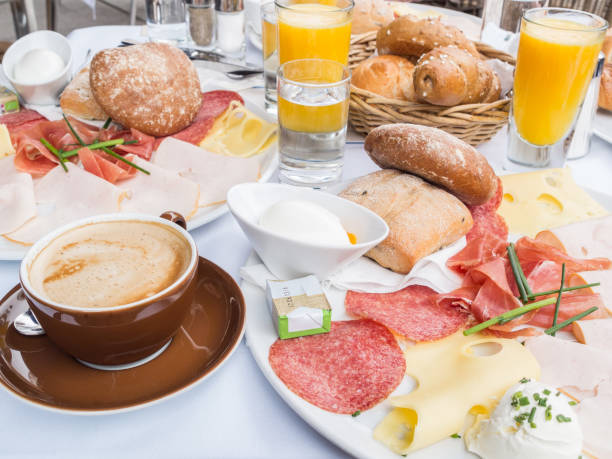
Richly covered breakfast table Richly covered breakfast table. full service catering stock pictures, royalty-free photos & images

Elevate Your Event Experience Beyond Expectations with Washington DC Caterers

When planning an event, every detail matters, but catering plays a central role in creating a memorable experience for your guests. Hiring professional caterers can transform your event from ordinary to extraordinary, ensuring that every bite, sip, and service element leaves a lasting impression. Here’s how professional catering can elevate your event experience beyond expectations.

Customized Menus for a Personalized Experience

One of the key benefits of working with experienced caterers is their ability to tailor menus to suit the occasion and guest preferences. Instead of generic options, professionals craft custom offerings that align with your theme, dietary restrictions, and cultural traditions.
Examples of Customizations:
– Vegan or gluten-free alternatives for guests with dietary restrictions.
– Event-themed dishes that reflect specific cuisines or flavors.
– Seasonal menus highlighting fresh ingredients for optimal taste and presentation.

Event Type Recommended Menu Options
Weddings Multi-course plated dinners or elegant buffets
Corporate Events Upscale hors d’oeuvres and efficient boxed meals
Casual Gatherings Stations featuring interactive food options (i.e., tacos or pasta bars)

Professional Presentation That Impresses Guests

Professional caterers understand the importance of presentation in enhancing both the visual appeal and overall atmosphere of an event. From innovative plating techniques to stylish serving stations, they ensure food not only tastes great but also looks impeccable.

Key elements include:
Aesthetic Plating: Well-designed plates that enhance the visual appeal. – Themed Displays: Food stations styled to complement the event’s theme or ambiance. – Creative Garnishes: Elements like edible flowers or artistic drizzles add sophistication.

For example: A rustic wedding might feature wooden boards laden with artisanal cheese spreads while a corporate gala could include modern glassware showcasing perfectly layered desserts.

Stress-Free Planning and Execution

Planning an event requires juggling multiple responsibilities. By hiring professionals, you delegate one of the most critical aspects—food and beverage management—to experts who have systems in place to handle everything seamlessly.

Services often provided by professional caterers include: – Detailed pre-event consultations to discuss menu preferences. – Coordination with other vendors such as florists or venue managers. – On-site staff trained in hospitality who ensure smooth execution on the day.

This level of expertise reduces stress so you can focus on engaging with your guests rather than managing logistics.

Enhanced Guest Satisfaction

Exceptional catering goes beyond feeding your attendees; it creates a sensory experience that leaves a positive impression long after the event ends. From delicious flavors crafted by skilled chefs to attentive service provided by trained staff members, every guest feels valued when catered professionally.

Additional Guest-Centric Perks Include: 1. Tailored beverage pairings (e.g., wine selections matched with entrees). 2. Flexibility regarding allergies/preferences handled discreetly during service. 3 .Efficient service flow ensuring food reaches tables quickly without compromising quality .

With consistently high attention-to-detail standards,a reputable team helps elevate how people ultimately remember final experiences.

A Comprehensive Guide to Selecting the Right Menu Options for Your Catered Event

Selecting the right menu for a catered event is one of the most critical aspects of planning. Guests often remember great food, and a well-thought-out menu can elevate your event from ordinary to exceptional. Here’s a detailed guide to help you choose menu options that cater to diverse tastes, dietary needs, and event themes.

Consider Your Event Type

  • Formal Events: Opt for plated meals with elegant presentation. Multi-course menus are ideal here.
  • Casual Gatherings: Buffet-style or family-style dining encourages interaction among guests.
  • Cocktail Parties: Focus on hors d’oeuvres, canapés, and bite-sized portions that are easy to eat while mingling.
  • Corporate Events: Include options that reflect professionalism, such as boxed lunches or pre-plated meals.

Understand Your Guest Profile

  1. Dietary Preferences – Ensure there are vegetarian, vegan, gluten-free, and dairy-free options.
  2. Cultural Considerations – Respect cultural or religious dietary restrictions (e.g., kosher or halal).
  3. Age Demographics – Include kid-friendly choices if families are attending.

Factor in Seasonality

Season Suitable Ingredients/Flavors
Spring Fresh greens, asparagus, strawberries
Summer Tomatoes, peaches, berries, grilled items
Autumn Squash varieties, root vegetables, apples
Winter Hearty stews, citruses like oranges and grapefruits

Balance Food Choices

A well-rounded menu offers balance in flavors and textures:
– Provide a mix of proteins (chicken/fish/red meat/plant-based).
– Include light appetizers and heavier entrées for variety.
– Avoid overly repetitive flavors across courses—contrast sweet with savory or crunchy with smooth textures.

Collaborate With Your Caterer

Engage with your caterer early in the process to leverage their expertise: – Ask about signature dishes that showcase their culinary strengths. – Request tasting sessions to sample dishes before finalizing selections. – Discuss presentation styles—food aesthetics can enhance the overall experience.

Budget Wisely

While selecting appealing food is important, be realistic about costs: 1. Create flexible per-person budget estimates. 2. Plan around high-quality yet cost-effective ingredients (e.g., chicken over seafood). 3. Avoid overestimating portions; use your caterer’s advice on quantities needed.

Popular Menu Additions

If you’re looking for ideas that guests love universally: – Signature cocktail/mocktail stations. – Interactive food stations like taco bars or live-action pasta stations. – Dessert tables featuring mini pastries or cupcakes instead of traditional slices.

Making thoughtful choices about your catered menu ensures it aligns perfectly with your vision while keeping guests happy and satisfied throughout your special event.


Catering Buffet Catering Buffet. Horizontal Shot. full service catering stock pictures, royalty-free photos & images

Choosing the right catering service is essential to ensure your event runs smoothly and is memorable for your guests. The type of event you’re hosting heavily influences the kind of catering service you’ll need. Below, explore how to select the best caterer tailored to your occasion.

Identify the Type of Event

  • Corporate Events: Conferences, seminars, or company retreats often require a formal setup with professional service and menu options like hors d’oeuvres, buffet-style meals, or plated dinners.
  • Weddings: Weddings typically demand greater detail, including multi-course meals, cocktail receptions, and coordination with cake providers and additional vendors.
  • Social Gatherings: For birthdays or anniversaries, a more casual menu such as finger foods or themed stations may work best.
  • Non-Profit/Charity Events: These may call for budget-conscious catering solutions while still maintaining quality and appeal.

Consider Dietary Preferences and Restrictions

  • Vegetarian or vegan dishes
  • Gluten-free options
  • Food allergy concerns (e.g., nut-free or dairy-free)

This ensures every guest feels valued and included in the dining experience.

Evaluate Service Style Options

Style Description
Buffet Guests serve themselves from a variety of dishes displayed on tables.
Plated Service Meals are served individually by staff to seated guests for a formal touch.
Family-Style Large dishes are shared at each table for a more intimate setting.
Food Stations Interactive stations allow guests to customize their meals (e.g., taco bar).
Cocktail Service Bite-sized appetizers served during mingling events like receptions.

Select a style that complements both your event’s theme and logistical considerations such as space availability.

Assess Experience and Expertise

Look for caterers who have proven experience handling events similar to yours. Their expertise will translate into smoother execution and fewer surprises on the day of your event.

Questions to ask potential caterers: 1. Have you catered this type of event before?
2. How many similar events have you handled in the past?
3. Can you provide references or testimonials from past clients?

Perform Taste Tests

A tasting session is non-negotiable when selecting caterers for significant events like weddings or corporate galas. It allows you to sample their offerings firsthand while evaluating presentation quality.

Review Logistics

Confirm that prospective catering services can meet logistical needs such as: – Timely delivery/setup at your venue location. – Proper licenses/permits for food preparation. – Necessary equipment (e.g., chafing dishes, utensils).

By focusing on these aspects when choosing a caterer, you’ll set yourself up for an enjoyable event where exceptional food enhances every attendee’s experience seamlessly.

How to Choose the Perfect Washington DC Catering Service for Your Event

Selecting the right catering service for your event begins with a clear understanding of your specific event needs. Proper planning ensures that you can provide a memorable culinary experience for your guests, tailored to the purpose and tone of your event. Below are key considerations when assessing your needs and making an informed choice.

Define the Purpose of Your Wedding Catering Washington DC Event

  • Corporate Events: Often require professional menus, such as plated meals or buffets, with dietary accommodations for varying team members and clients.
  • Weddings: Typically call for elaborate menus, including appetizers, main courses, desserts, and beverages to match the celebratory atmosphere.
  • Social Gatherings: May need flexibility with casual dining options like food stations or cocktail-style snacks to encourage mingling.
  • Charity Events: Require balancing elegance with cost-effective options to align with fundraising goals.

Planning Corporate Catering in Washington DC: Guest Count and Dietary Preferences

  • Vegan or vegetarian options
  • Gluten-free or allergen-friendly meals
  • Religious or cultural restrictions

Providing this information upfront ensures all guests feel accommodated.

Finding the Perfect Food Delivery Washington DC Service for Your Event

Catering Style Best Suited For Highlights
Buffet Weddings, Corporate Dinners Offers variety; guests serve themselves
Plated Service Formal Events Professional presentation; timed courses
Family-style Casual Gatherings Encourages interaction; shared platters
Food Stations Social Events Customizable; interactive experience
Cocktail-only Networking Functions Light bites; encourages mingling

Discuss these options with your chosen caterer to determine what works best within your venue and budget constraints.

Consider Setup Logistics

  • Does the caterer provide necessary equipment like tables, chairs, plates, or glassware?
  • Is there access to kitchen space for food preparation?
  • What are the venue’s policies on external vendors?

Ensuring alignment between venue capabilities and catering requirements prevents last-minute complications.

Budget Prioritization

While catering costs can vary widely depending on menu complexity and service levels, setting a realistic budget helps narrow down choices effectively without compromising quality. Request detailed pricing breakdowns from potential caterers that include food costs, staffing fees, rentals (if applicable), gratuities, and any additional services.

By clearly understanding these foundational aspects when choosing a catering service for your event type, you set yourself up for success while creating an enjoyable dining experience tailored to meet guest expectations seamlessly.

How to Choose the Perfect Catering Style for Any Occasion

Selecting the right catering style is a critical aspect of planning any event, as it directly impacts your guests’ experience and the overall atmosphere. The catering style you choose should align with your event’s purpose, guest preferences, and logistical constraints. Below are steps and considerations to help you decide on the ideal catering style for your occasion.

Factors to Consider When Choosing a Catering Style

  1. Formal Events: Weddings, corporate galas, or black-tie events may require plated meals or multi-course dining for a more sophisticated feel.
  2. Casual Gatherings: Birthdays, family reunions, or informal celebrations may be better suited for buffet-style or food stations.
  3. Large groups often benefit from buffet-style service or self-serve stations to ensure efficiency in serving food.
  4. For smaller gatherings, plated dinners can create an intimate atmosphere with more personalized service options.
  5. Venue Constraints
    The venue’s layout and facilities play a key role in choosing a catering style:
  6. Limited kitchen facilities? Opt for pre-prepared meals or food trucks.
  7. Outdoor venues? Barbecue setups or live cooking stations could be ideal.
  8. Guest Preferences and Dietary Restrictions
    Consider vegetarian options, gluten-free dishes, and other dietary accommodations that might influence your menu choices.
  9. Event Budget
    Plated meals typically cost more due to labor-intensive service, while buffets and family-style options can often provide cost-effective solutions without sacrificing quality.

Common Catering Styles

Catering Style Description Best Suited For Example Menu Items
Plated Service Guests are seated while servers bring pre-selected courses directly to their tables. Formal events Steak entrees, fine seafood
Buffet-Style A variety of dishes are displayed on long tables where guests serve themselves. Medium-to-large gatherings Salads, pasta dishes
Family-Style Service Food is served on platters at tables allowing guests to help themselves in smaller groups. Intimate/casual gatherings Roasted chicken, shared sides
Food Stations Multiple themed stations where chefs prepare custom dishes on demand (e.g., pasta bar). Interactive experiences Taco station, crepe-making setup
Cocktail Reception Small bites (canapés) served either by waitstaff or at appetizer tables for standing events. Networking events Sliders, bruschetta bites

Matching Catering Styles with Occasions

  • Corporate Functions: Consider plated service or cocktail receptions depending on formality.
  • Weddings: Opt for elegance with plated meals or family-style dining for a warm ambiance.
  • Outdoor Celebrations: Buffets and food trucks add flexibility while accommodating casual setups.
  • Kid-Friendly Parties: Interactive food stations (e.g., build-your-own pizza) ensure engagement for younger attendees.

Tips to Work With Your Caterer Effectively

  1. Share your event’s theme clearly during initial discussions.
  2. Ensure they provide tasting sessions before finalizing the menu.
  3. Discuss logistics such as delivery timelines and clean-up services upfront.
  4. Verify their experience with the specific catering style you’re considering.

By carefully assessing your needs and collaborating closely with an experienced caterer, you can select a catering style that enhances your event’s success while leaving a lasting impression on your guests.

Key Factors to Consider When Selecting a Caterer for Your Event

Choosing the right caterer is essential to ensuring your event is both memorable and enjoyable for your guests. With so many catering options available, it’s important to evaluate each option carefully to ensure they meet your needs. Below are key factors to consider when selecting a caterer for your event.

1. Experience and Expertise

A caterer’s experience in handling events similar to yours can greatly influence the success of your occasion. Assess their portfolio and inquire about:
– Types of events they specialize in (e.g., weddings, corporate functions, social gatherings).
– The number of years they’ve been in business.
– Examples of past work or references from previous clients.

If you’re hosting a cultural or themed event, look for a caterer with expertise in preparing specific cuisines or accommodating unique dietary requirements.

2. Menu Customization and Variety

Your chosen caterer should offer menu options that align with the preferences and dietary needs of your guests. It’s helpful if they can customize menus based on:
– Dietary restrictions (e.g., vegetarian, vegan, gluten-free).
– Food allergies (e.g., nut-free, dairy-free).
– Event themes (e.g., regional cuisine for themed weddings).

Additionally, ask about seasonal or locally sourced ingredients that can elevate the quality of the menu while supporting sustainability efforts.

3. Tasting Sessions

Before making a final decision, request a tasting session from the shortlisted caterers. This allows you to sample their offerings and ensure their food’s quality matches your expectations. During tastings:
– Evaluate the presentation of dishes.
– Take note of flavor profiles and freshness.
– Discuss portion sizes to determine whether they align with guest expectations.

4. Service Style Options

Service Style Best Suited For Description
Buffet Large casual gatherings Guests serve themselves from various stations
Plated Formal dinners or weddings Individual plates served directly at tables
Family-style Intimate occasions Large dishes shared among guests at each table
Food stations Interactive social events Guests enjoy small portions at specialty booths
Drop-off catering Informal meetings or parties Caterers deliver food without additional setup

Discuss with potential candidates which service types they specialize in and how their approach aligns with your event’s atmosphere.

5. Reviews and References

Researching reviews is an effective way to gauge client satisfaction with a particular catering company: – Check online platforms like Google Reviews or Yelp. – Ask for direct references from previous clients for candid insights. – Look out for any recurring issues mentioned across multiple reviews (e.g., late delivery or poor communication).

6. Pricing Transparency

Clear pricing structures are critical when working within an event budget. Be sure to ask about:
1) Per-person costs versus package deals. 2) Additional fees such as gratuity, transportation charges, or overtime rates. 3) Hidden costs that might arise during execution (e.g., equipment rental or setup fees).

Request itemized quotes from multiple companies so you can compare offerings side by side before committing.

Final Thoughts on Choosing Your Caterer

Selecting a trustworthy caterer involves careful consideration of their expertise, flexibility, reviews, service styles offered, and pricing policies alongside matching them with your specific needs and preferences outlined above.

Guests at a delicious buffet Guests of a luxury hotel take food on a buffet basis full service catering stock pictures, royalty-free photos & images

Understand Your Budget Limits

Before you start reaching out to caterers, determine your overall budget. Having a clear idea of how much you’re willing to spend ensures you stay within financial boundaries. Allocate a specific portion of the event budget for catering costs, which typically include:
– Food and beverage costs
– Service charges or staffing fees
– Equipment rentals (e.g., tables, chairs, serving ware)

By breaking down the expenses this way, you’ll identify areas where adjustments can be made when needed.

Select Cost-Efficient Catering Styles

Certain catering styles are more budget-friendly than others. Consider these options based on your event’s needs:
Buffet Style: Allows guests to serve themselves; this option reduces staffing needs and is generally more affordable than plated meals.
Family Style: Large dishes are placed on each table for guests to share; it strikes a balance between convenience and cost efficiency.
Food Stations: Interactive food stations (e.g., taco bar or pasta station) allow creativity while managing costs effectively by offering smaller portions per guest.

Avoid plated dinners if working within a tight budget, as they often require more staff and higher preparation costs.

Partner with Local Caterers or Suppliers

Working with local vendors can lower transportation fees and sourcing costs for ingredients. Often, smaller local caterers have competitive pricing compared to larger companies while maintaining high-quality service.

Additionally, inquire whether seasonal ingredients can be incorporated into the menu as they tend to be more economical yet fresh.

Limit Menu Options Without Sacrificing Variety

Offering fewer choices on your menu helps manage food preparation costs without compromising guest satisfaction:
1. Include one or two main entrees instead of multiple options.
2. Offer side dishes that are simple yet delicious (e.g., roasted vegetables or mashed potatoes).
3. Stick with crowd favorites that appeal broadly rather than niche gourmet items.

A compact yet well-thought-out menu ensures quality while keeping expenses reasonable.

Negotiate Package Deals

Some caterers provide package deals that include everything from food preparation to linens and table setups at reduced rates compared to itemized services. Inquire about discounted packages tailored specifically for smaller groups or weekday events when demand is typically lower.

Package Features Benefits What To Ask For
Inclusive Deals Simplified planning process Are service fees included?
Custom Packages Tailored offerings within specified budgets Can we swap certain features?
Off-Peak Discounts Lower rates for less busy times Do discounts apply on weekdays?

Minimize Waste Through Accurate Guest Counts

Providing an accurate headcount ensures enough food for everyone without unnecessary excess leading to wasteful spending. Work closely with your caterer during the planning phase so they prepare appropriate portions aligned with guest numbers.

DIY Elements Where Possible

Incorporating do-it-yourself elements such as homemade desserts or self-serve drink stations can help reduce catering workloads while adding personalized touches that resonate with attendees.

With careful consideration of these strategies, hosting an event with high-quality catering that respects your budget becomes achievable without sacrificing the overall experience for yourself or your guests.

Tips for Creating a Seamless Experience with Your Chosen Caterer

Planning an event is a complex process, and catering plays a vital role in delivering a memorable experience for your guests. Working closely with your chosen caterer ensures the event runs smoothly and meets your expectations. Below are practical tips to help you collaborate effectively and create a seamless experience with your catering partner.

Communicate Your Vision Clearly

Providing clear and precise details about your event is crucial to ensure alignment between you and the caterer. Key points to communicate include:
Event details: Date, time, venue, type of event (e.g., wedding, corporate meeting, birthday).
Guest demographics: Estimated number of attendees, dietary preferences or restrictions (vegan, gluten-free, allergies).
Menu preferences: Cuisine types or specific dishes you’d like to include.

Consider sharing visual aids like mood boards or sample menus to help the caterer better understand your expectations.

Establish a Realistic Budget

Budget transparency is essential for both parties. Communicate your budget upfront so the caterer can propose options that match your financial plan without compromising quality. Items to consider while budgeting include:
– Food costs (per head or per platter).
– Add-ons like desserts or beverages.
– Service charges (servers, bartenders).
– Equipment costs (linens, cutlery rentals).

Item Estimated Cost Notes
Food per guest $20-$50 Varies based on cuisine or complexity
Beverage options $10-$25 Includes alcohol/non-alcohol choices
Service staff fees $100-$200/person Depends on event size

Schedule Tastings in Advance

Tastings allow you to evaluate food quality before finalizing the menu. Make sure to schedule tastings well in advance so there’s ample time to request modifications if needed. During tastings:
– Sample all key dishes, including appetizers, entrees, desserts. – Provide constructive feedback regarding flavors or presentation. – Confirm portion sizes align with expectations.

Coordinate Logistics Early On

To prevent last-minute issues on the event day:
1. Share venue-specific details such as kitchen access or parking arrangements with the caterer. 2. Discuss timelines for food preparation and service. 3. Confirm any additional equipment they may need onsite.

A detailed plan ensures everyone involved knows their responsibilities ahead of time.

Build Trust through Regular Check-ins

Stay connected with your caterer throughout the planning process by scheduling periodic check-ins via email or phone calls. These touchpoints allow you to review progress and address any changes promptly.

Address Contingency Plans

Unexpected challenges can arise during events—equipment failures, delays in service, etc. Discuss contingency plans beforehand so that both parties are prepared for unforeseen circumstances.

Working collaboratively with your catering team doesn’t just ensure great food but also creates an enjoyable experience for yourself and your guests alike.

Expert Advice on Matching Venues and Catering Services for Memorable Events

When organizing an event, the relationship between the venue and the catering service is crucial in creating a cohesive and memorable experience. A well-matched combination not only enhances guest satisfaction but also ensures seamless execution. Below, we explore key considerations and actionable tips to help you pair venues with catering services effectively.

Assess the Venue’s Catering Capabilities

  • Convenience: No need to source an external provider.
  • Familiarity: The team knows the venue layout and operational constraints.
  • Integrated Packages: Often includes food, beverage, and tableware options.
  • Flexibility: Freedom to choose a caterer that aligns with your theme or cuisine preference.
  • Customization: Easier to tailor menus based on dietary needs or cultural requirements.

Make sure to clarify policies regarding food preparation areas, equipment use, and any preferred vendor lists before committing to a venue.

Consider Venue Type and Event Style

Venue Type Catering Recommendation Example Events
Banquet Halls Formal plated meals or buffet-style service Weddings, Corporate Galas
Outdoor Spaces Barbecue stations, food trucks, or picnic-style catering Casual Gatherings, Garden Parties
Conference Centers Boxed lunches or light refreshments for working events Seminars, Business Conferences
Private Homes Cocktails with hors d’oeuvres or family-style dining Intimate Celebrations

The physical constraints of a venue (e.g., kitchen facilities) should also be taken into account when selecting a caterer.

Collaboration Between Vendors

  • Set-up timing and breakdown schedules.
  • Food delivery plans (especially if kitchens are off-site).
  • Placement of serving stations or bars within the event space.
  • Power supply needs for equipment like portable ovens or refrigerators.

Facilitating these discussions early minimizes last-minute surprises.

Tailoring Menus to Match Ambiance

  • Rustic Venues: Farm-to-table menus featuring fresh produce.
  • Beachfront Locations: Seafood dishes paired with tropical cocktails.
  • Urban Rooftops: Modern small plates with creative presentation styles.

Work closely with your caterer to ensure that every dish complements both the setting and occasion.

Final Thoughts

Matching venues with catering services involves careful planning and attention to detail. By considering factors like venue policies, style alignment, vendor collaboration, and menu customization, you can create an unforgettable experience that leaves a lasting impression on your guests. Proper research and open communication will always be key in ensuring success during this process.